Jongha Lee
Chronic in vivo electrophysiology
Measuring how brain circuits change over time
Circuit change over time
I use chronic electrophysiology to measure how brain circuits change over time. Recording the same neurons in the same subject for weeks shows whether an intervention moved the circuit, by how much, and whether the change held.
Selected Projects
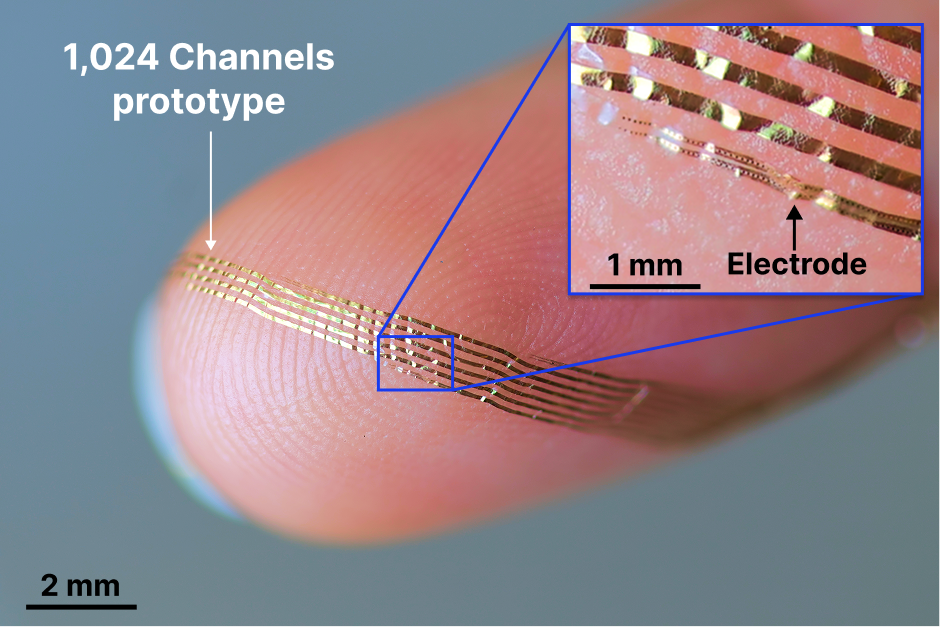
Ultrasoft Elastomer Neural Interface
I led the project to develop a system that keeps immune response low even at larger sizes, solved all the pipeline issues, and delivered neural recordings in mice, rats, pigs, sheep, and humans.
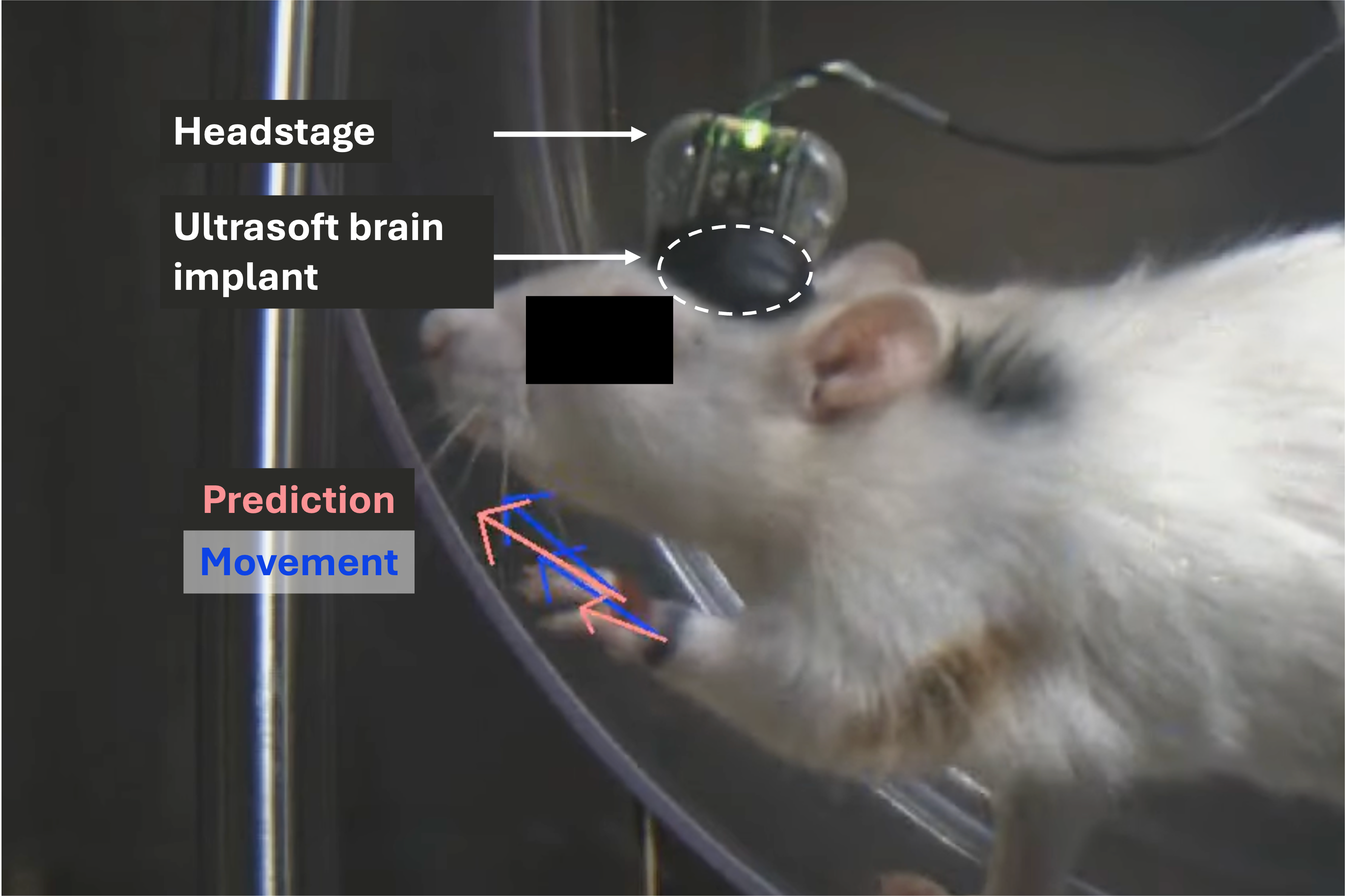
Motor Intention & Consciousness Decoding
Long-term stable neural signal acquisition from ultrasoft neural probes support multiple clinical indications. I co-led motor decoding technologies for people with ALS or paralysis and consciousness decoding for patients with disorders of consciousness, including coma.
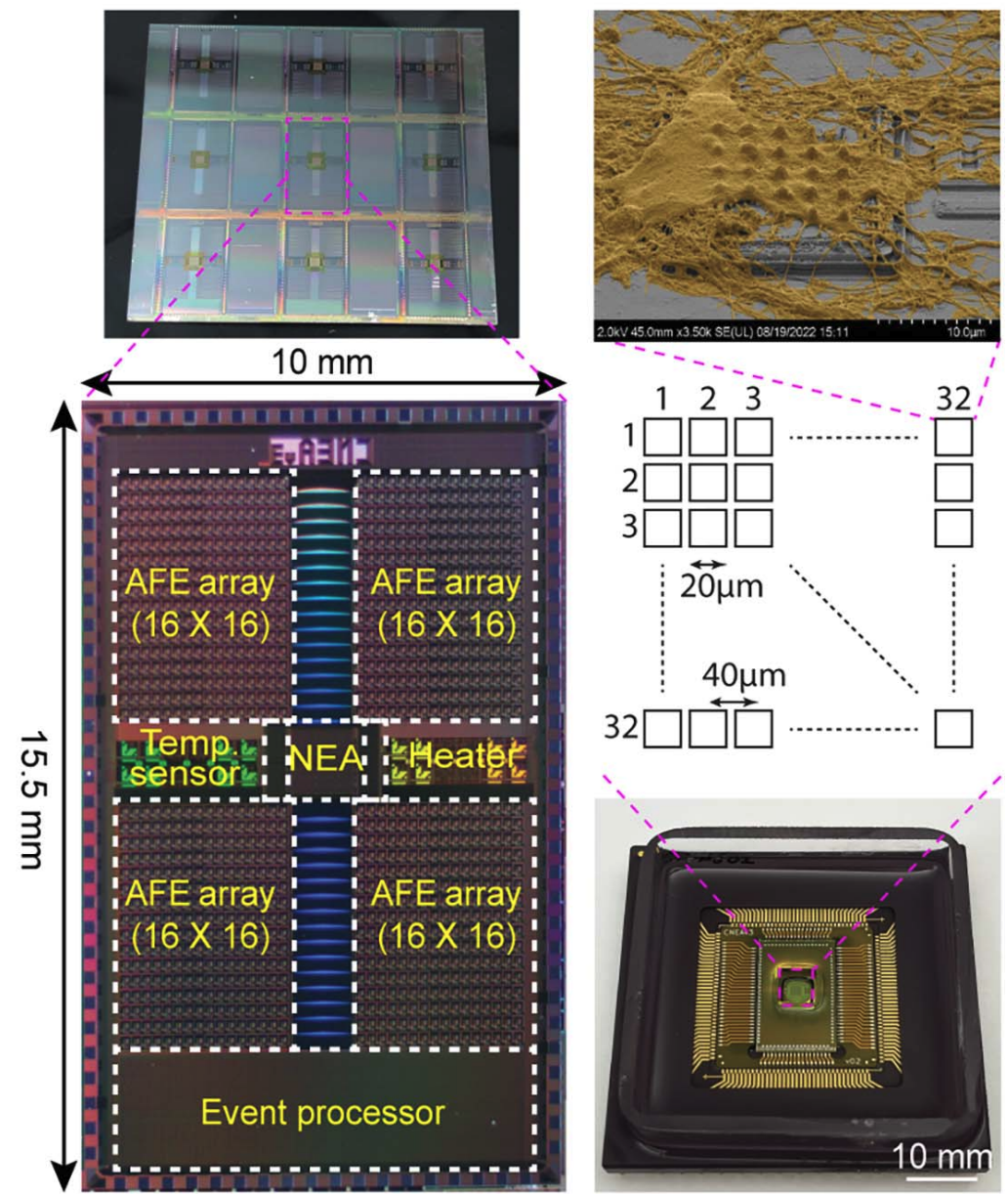
Scalable CMOS neural interface
Co-designed a CMOS electrode array that records and stimulates neurons on the same chip for ultra-low-latency closed-loop control, and led integration of an ultrasoft, ultrahigh-bandwidth recording system with the platform.
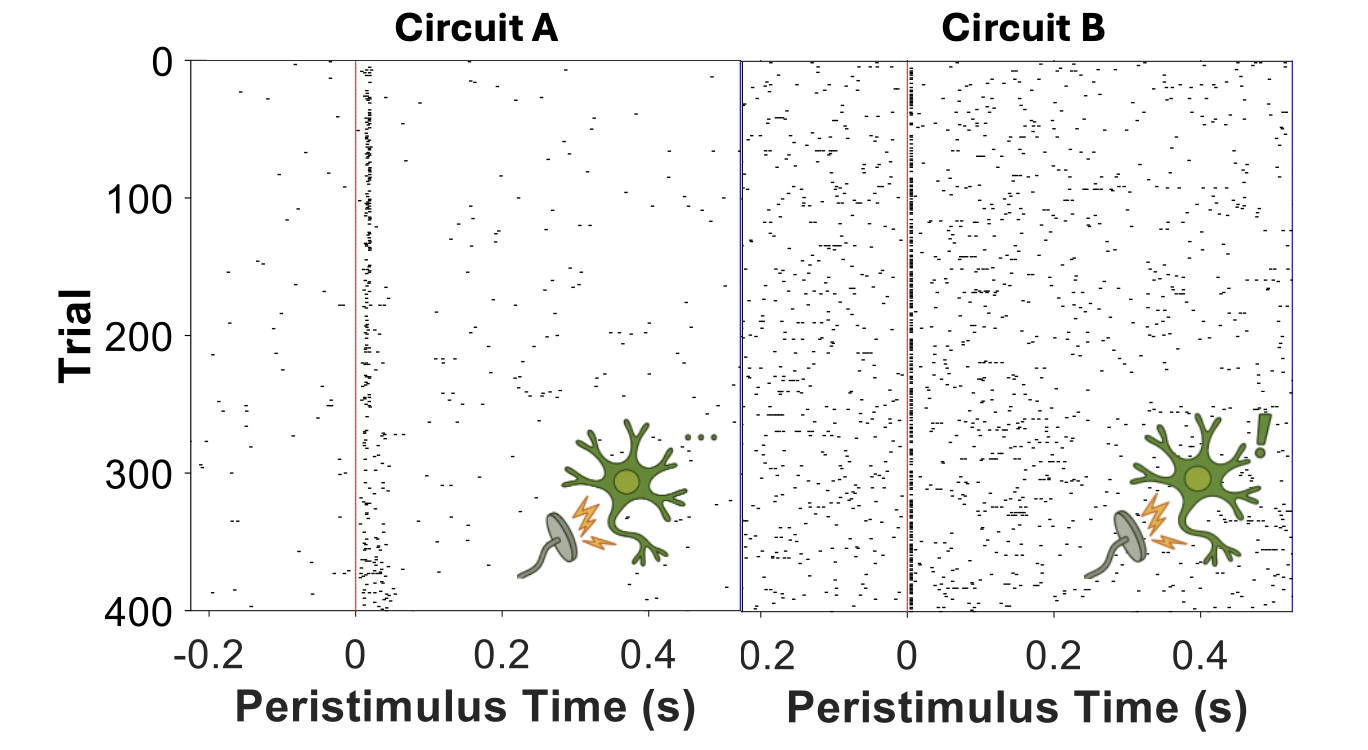
Long-term Stable Neural Circuit Modulation
Led long-term stable electrical microstimulation project that modulated neural circuit dynamics in a condition-dependent manner, altering excitatory-inhibitory balance and spike timing. Absence of immune response allows a low-current stimulation.
Immune Response Minimization in Neural Interface Design
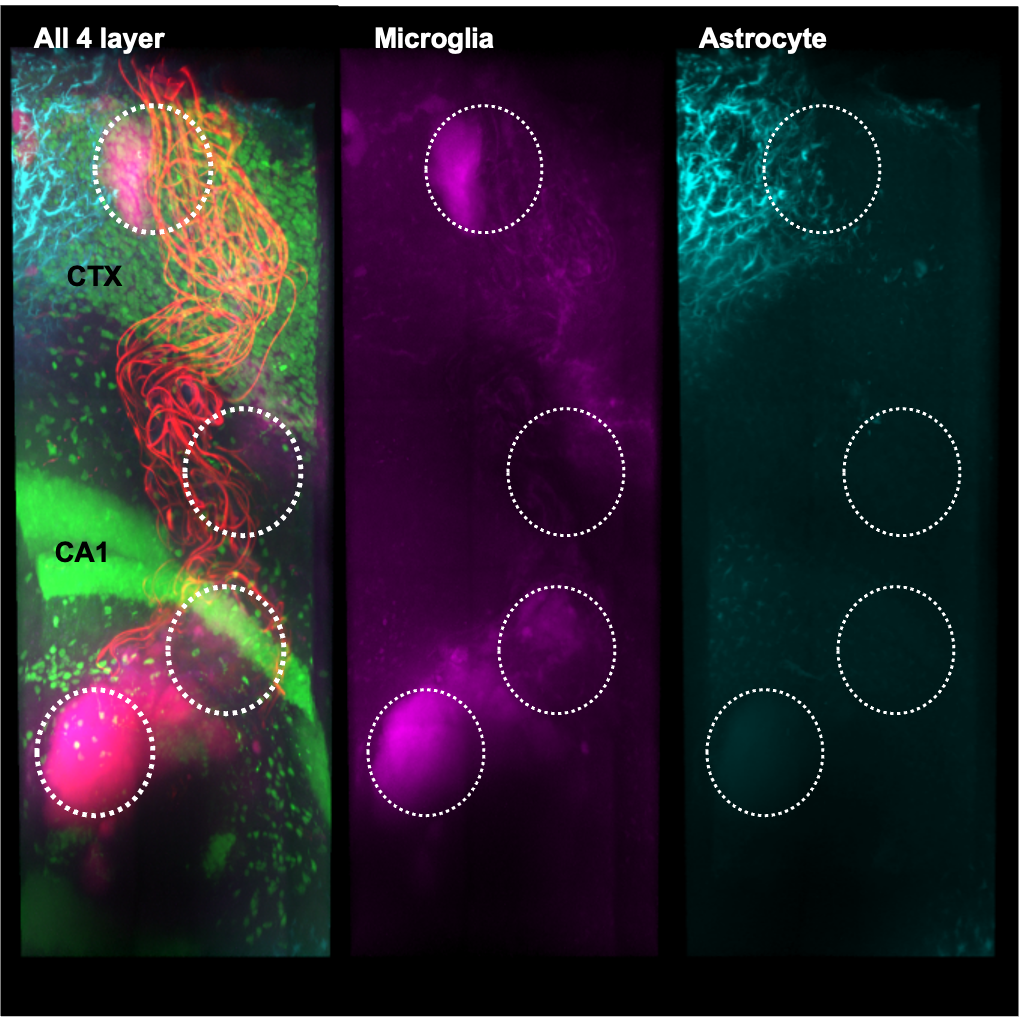
When an immune response occurs around a brain probe, the signal-to-noise ratio decreases due to reduced neuronal density near the implant. I found material properties of brain implants that trigger immune activation and identified factors that minimize such responses.
Wearable Monitoring Device for Parkinson's Disease
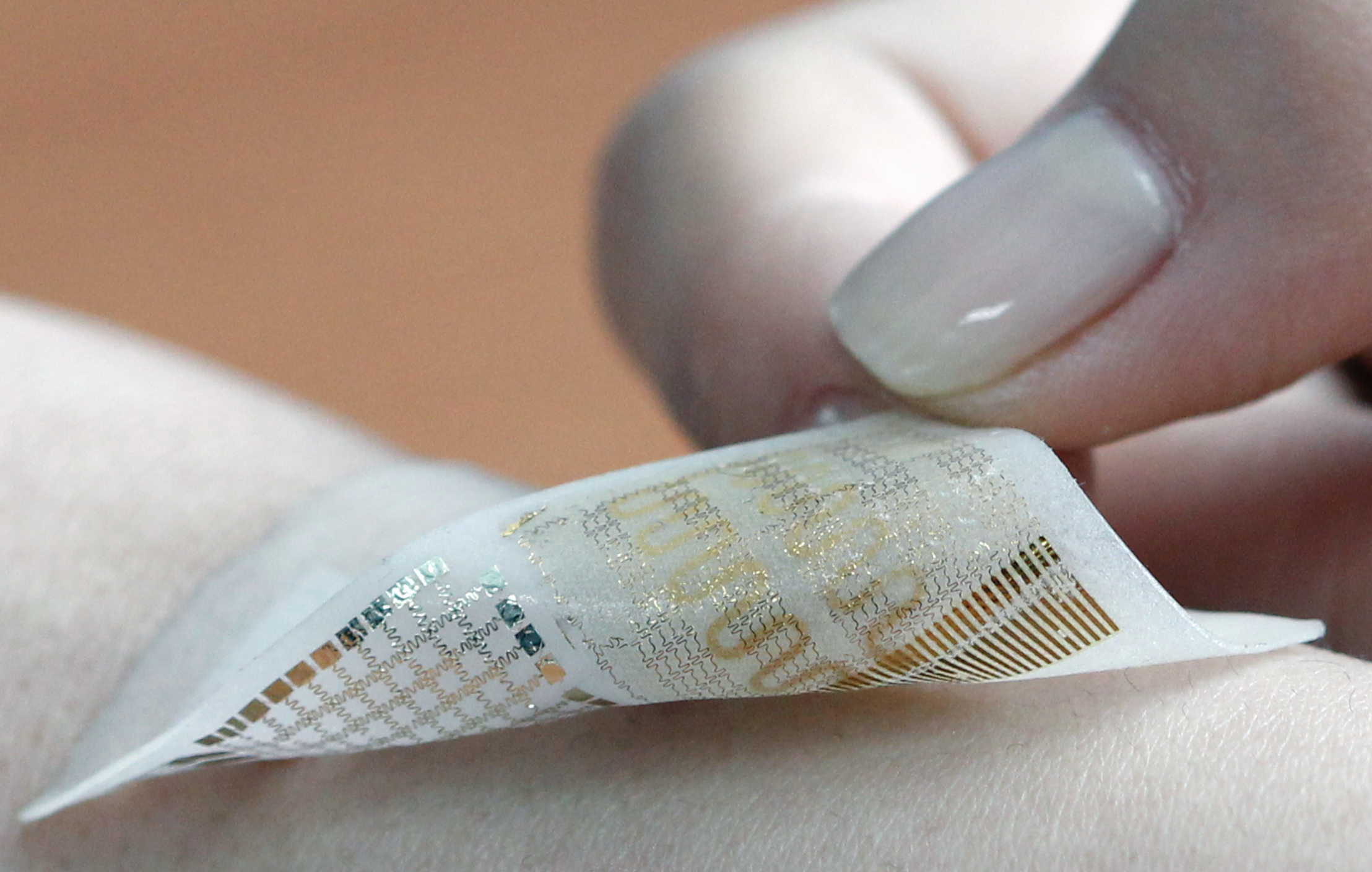
Developed a soft, breathable, ultrathin, and stretchable epidermal patch that enabling real-time detection of motor states in Parkinson’s disease.
Intracranial Drug Delivery
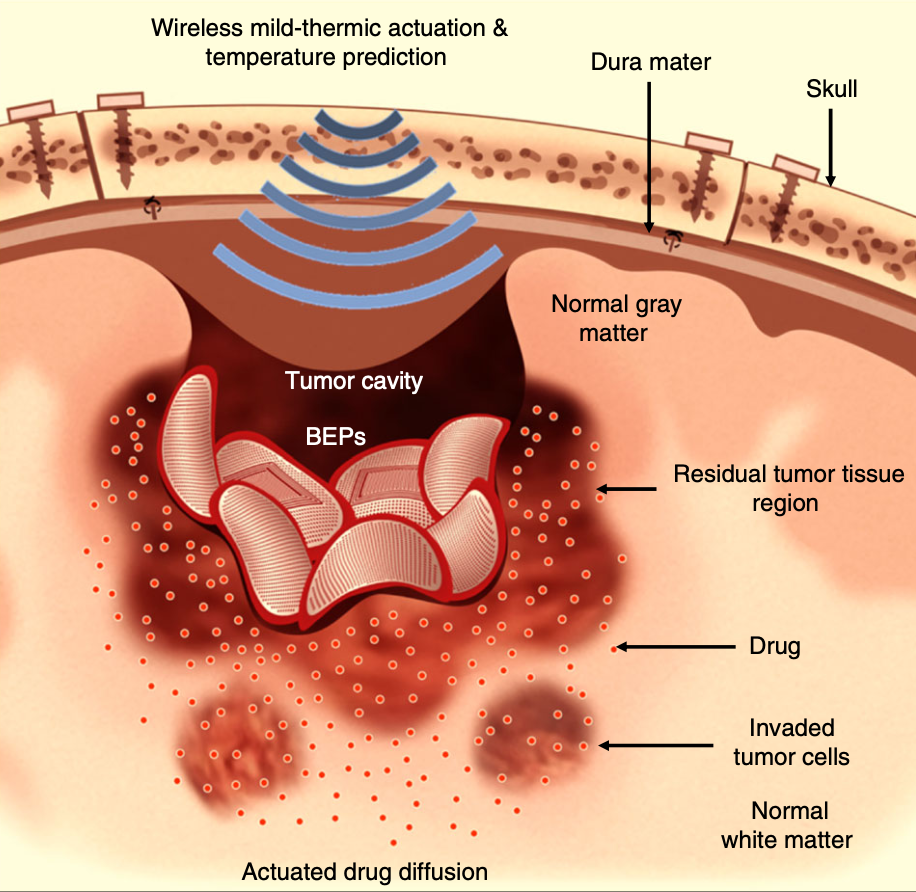
Glioblastoma diffusely infiltrates the surrounding brain parenchyma, so residual cancer cells often remain after resection and the disease frequently recurs. To overcome the limited penetration depth of existing bioresorbable local drug-delivery implants, we developed a bioresorbable electronic implant that enhances tissue delivery.
Tech Stack
Nanofabrication
Packaging & Electronics
Animal Neurosurgery
Neural engineering
Signal Processing & Decoding
Data & Software Tools
Histology and Imaging
Resume
Is the PDF not showing?
Download